Key takeaways
- Amazon Supply Chain Services gives businesses access to Amazon’s freight, distribution, fulfillment, and delivery network.
- The service is designed to help move inventory from manufacturers to customers through a single logistics network.
- While Amazon Supply Chain Services may simplify logistics for some, sellers should carefully evaluate costs, flexibility, and operational dependencies.
- Descartes Sellercloud™ helps Amazon sellers centralize inventory, orders, listings, and Fulfillment by Amazon (FBA) operations across multiple channels.
Amazon continues to expand beyond its roots as an online marketplace. The company recently announced Amazon Supply Chain Services (ASCS), an offering that enables businesses to take advantage of its vast logistics network.
For years, Amazon built one of the world’s largest logistics operations to support its own retail business and marketplace sellers. Now, it is opening that infrastructure to a wider range of ecommerce sellers looking to simplify their supply chain operations.
In this article, we explain what Amazon Supply Chain Services is and how it works, its potential benefits and challenges, and how Sellercloud can help manage complex Amazon operations.
What is Amazon Supply Chain Services, and how does it work?
Amazon Supply Chain Services is an end-to-end logistics solution that allows businesses to leverage Amazon’s transportation, warehousing, fulfillment, and delivery network, even if they do not sell products on the Amazon Marketplace.
The service is designed to help companies move inventory from manufacturers to customers through a single logistics network. Instead of coordinating multiple providers for freight, storage, fulfillment, and delivery, businesses can manage these activities through Amazon.
Inventory can be transported from manufacturing facilities through Amazon’s freight network, stored within Amazon-operated facilities, and positioned closer to customers for faster fulfillment. When orders are placed, Amazon can pick, pack, and deliver them using its fulfillment and delivery infrastructure.
Ecommerce companies can use individual services or combine multiple services depending on their needs. Amazon is positioning ASCS as a flexible solution for a wide range of organizations, including retailers, manufacturers, healthcare companies, and automotive businesses.
Why did Amazon launch Amazon Supply Chain Services?
Amazon has invested heavily in logistics infrastructure over the past two decades. The company now operates hundreds of facilities, extensive transportation networks, and a rapidly expanding delivery operation.
Opening these capabilities to external businesses creates a new revenue opportunity while maximizing the value of the infrastructure that already exists.
The move also places Amazon in more direct competition with traditional logistics providers such as UPS, FedEx, DHL, and many third-party logistics (3PL) companies. Rather than serving only Amazon Marketplace sellers, the company is now targeting sellers that may have no relationship with Amazon’s ecommerce platform.
At the same time, customer expectations continue to rise. Fast shipping, inventory availability, and reliable delivery have become standard requirements for ecommerce businesses. Many companies struggle to build these capabilities independently, making large-scale logistics networks increasingly attractive.
Amazon’s announcement reflects a broader trend across the ecommerce industry: logistics is becoming a competitive advantage, not just an operational necessity.
Ready to take greater control of your Amazon and FBA operations? Book a Sellercloud demo to see how you can streamline fulfillment, inventory, and multichannel workflows from a single platform.
What are the benefits of Amazon Supply Chain Services?
For many sellers, the primary appeal of ASCS is access to a proven logistics network.
Amazon already handles billions of shipments annually and has developed significant expertise in transportation, warehousing, inventory placement, and last-mile delivery. Smaller sellers can utilize capabilities that would otherwise be difficult or expensive to build independently.
Another potential benefit is simplification. Many companies rely on multiple providers to manage different parts of their supply chain. Coordinating these providers can create communication challenges, delays, and visibility issues. Consolidating logistics functions within a single network may help reduce operational complexity.
The service could also support scalability. As businesses grow, logistics requirements often become more complex. Being able to tap into an established network may help companies expand without making substantial investments in infrastructure.
Ecommerce sellers may also benefit from Amazon’s delivery capabilities. Fast delivery options continue to influence purchasing decisions, and access to Amazon’s delivery network could help meet rising customer expectations.
For organizations without extensive logistics resources, ASCS may provide a faster path to building a more sophisticated supply chain operation.
What challenges should ecommerce businesses consider?
While ASCS offers several advantages, you should carefully evaluate potential challenges before making major operational changes.
One consideration is provider dependency. Relying heavily on a single logistics network can create risks if pricing changes, service levels shift, or business needs evolve. Many ecommerce companies prefer maintaining flexibility through a diversified fulfillment strategy.
Inventory visibility can also become more important as logistics networks grow more complex. Businesses selling through multiple channels must maintain accurate inventory data regardless of where products are stored or fulfilled.
Cost is another factor that requires evaluation. While a consolidated logistics network may create efficiencies, businesses should compare costs against existing providers and future growth plans.
Multichannel sellers face additional considerations. Many sell across Amazon, Walmart, Shopify, eBay, and other marketplaces simultaneously. Logistics decisions should support the broader business strategy rather than optimize for a single channel.
As ecommerce operations mature, many companies continue to use a combination of FBA, 3PL providers, in-house warehouses, and dropship suppliers. Maintaining operational flexibility often remains a priority even when new logistics options become available.
How Descartes Sellercloud helps manage Amazon and FBA operations
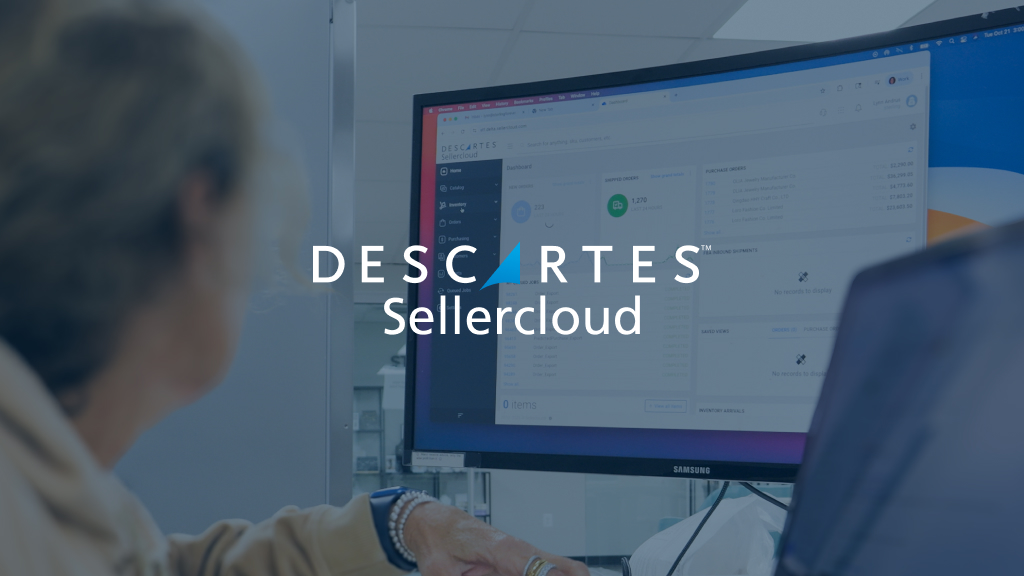
Sellercloud helps Amazon sellers manage inventory, orders, listings, and fulfillment from a single platform. As businesses grow across Amazon and other sales channels, Sellercloud centralizes operations to reduce manual work and improve visibility.
For Amazon sellers, one of the biggest benefits is inventory synchronization. Accurate inventory updates help prevent overselling while maintaining a consistent customer experience across marketplaces.
Sellercloud also supports sellers managing both FBA and non-FBA inventory, providing a centralized view of available stock and fulfillment activity. Combined with automation tools and reporting capabilities, the platform helps sellers operate more efficiently as order volume and operational complexity increase.
As Brand Name Lighting expanded beyond Amazon, maintaining inventory accuracy became increasingly challenging. By centralizing operations with Sellercloud, the company prevented overselling, streamlined inventory management, and continued growing across multiple sales channels. Watch the video below to hear their story.
If managing Amazon inventory, FBA operations, and multiple sales channels is creating more complexity than growth, book a Sellercloud demo to see how you can regain control.
If you enjoyed this blog post on Amazon Supply Chain Services, you may also benefit from reading the following:
- Amazon Fulfillment Returns Are Fast – The Risk Comes Later
- Amazon FBA Automation: How to Automate Your FBA Workflow
- Amazon FBA Removals: Fees, Challenges, and How to Manage Them at Scale
Amazon Supply Chain Services FAQs
Can businesses use Amazon Supply Chain Services if they do not sell on Amazon?
Yes. Amazon has stated that businesses do not need to sell through the Amazon Marketplace to access Amazon Supply Chain Services.
What industries can use Amazon Supply Chain Services?
Amazon is marketing the service to a variety of industries, including retail, manufacturing, healthcare, automotive, and ecommerce businesses.
Is Amazon Supply Chain Services the same as Fulfillment by Amazon?
No. Fulfillment by Amazon focuses primarily on storage, picking, packing, and shipping. Amazon Supply Chain Services encompasses a broader range of logistics services, including freight transportation and distribution.
Can businesses use only certain parts of Amazon Supply Chain Services?
Yes. Businesses can choose individual services rather than adopting the entire supply chain offering.
Will Amazon Supply Chain Services replace third-party logistics providers?
Not necessarily. Many businesses continue to use multiple logistics partners to support different operational needs, geographic regions, or fulfillment strategies.
Related Posts