Key takeaways
- Walmart approval is selective. Sellers must demonstrate strong operational performance, reliable fulfillment, and clean product data.
- Preparing documentation, fulfillment processes, and catalog data in advance improves your chances of getting approved.
- Operational setup can delay launch. Synchronizing listings, inventory, and order workflows can slow the time it takes to start selling on Walmart.
- As an approved Walmart software partner, Descartes Sellercloud™ users can get up and running on Walmart more quickly while centralizing orders, inventory, and listings (and more) on a single platform.
Walmart Marketplace has become one of the most attractive expansion opportunities for ecommerce sellers in 2026. With millions of active customers and a marketplace that continues to expand year over year, it offers significant growth potential. Unlike most online marketplaces, Walmart combines ecommerce scale with a vast brick-and-mortar footprint. Approximately 90% of the US population lives within 10 miles of a Walmart store, giving the company a powerful advantage in fulfillment and last-mile delivery.
Getting your ecommerce business onto Walmart Marketplace is a key milestone in becoming a successful multichannel seller. It allows you to expand your presence, diversify revenue, and reach new customers.
However, approval is not automatic. Sellers must demonstrate operational strength, reliable fulfillment, and strong product data before they’re accepted. Even after approval, connecting your inventory, orders, shipping, and other ecommerce systems with Walmart can be time-consuming without the right technology.
In this article, we explain the top challenges of getting your business approved by Walmart, how to get approved and improve your chances, what to avoid during the application process, and how Sellercloud makes onboarding your business easier once approved.
Top challenges to start selling on Walmart Marketplace

Understanding the challenges helps you prepare properly and increases your likelihood of success.
Selective approval standards
Walmart curates its marketplace carefully. The company prioritizes sellers with a proven track record of ecommerce success, competitive pricing, and strong operational metrics. If your cancellation rate is high or your fulfillment performance is inconsistent, approval may be difficult.
Operational readiness expectations
Walmart expects sellers to meet strict service level agreements (SLAs). This includes on-time shipping, accurate inventory levels, and responsive customer service. Sellers who cannot demonstrate operational maturity may struggle during review.
Timeframe and launch delays
The Walmart Marketplace approval process can take as little as 24 hours to as long as four weeks, according to various sources. This does not include the time required to import SKUs, configure listings, and integrate systems after approval. Without centralized software, this post-approval setup can delay your time to market even further. Using a platform like Sellercloud reduces SKU import friction and accelerates time to first order.
What do I need to get approved for Walmart Marketplace?
If you are researching how to start selling on Walmart, preparation is critical. Walmart evaluates both your business legitimacy and operational capability.
You generally need:
- A US Business Tax ID or Business License.
- Completed W-9 form.
- Verified business address.
- Primary contact information.
- Bank account details for payment deposits.
- Product identifiers such as UPC or GTIN.
- A track record of ecommerce sales performance.
Walmart also reviews your fulfillment capabilities and customer service standards. Before applying, ensure your operations are stable, and your catalog data is accurate and complete.
When ready, you can begin your application directly through Walmart’s Seller Center.
Common mistakes that delay Walmart Marketplace approval
Mistakes during the application process can delay or derail approval:
- Submitting incomplete business information. Missing tax documentation, mismatched legal names, or incorrect addresses create unnecessary friction.
- Applying without proven ecommerce performance. Walmart prefers experienced sellers. If your operational metrics are weak, improve them before applying.
- Ignoring fulfillment standards. Failure to meet shipping SLAs or maintain accurate inventory signals operational risk.
- Uploading poor-quality product data. Missing attributes, low-quality images, or inaccurate identifiers can slow down onboarding and listing approvals.
- Waiting until approval to think about integration. Many sellers focus only on approval. Then, once accepted, they struggle to connect inventory and orders. Preparing your integration strategy in advance allows you to launch faster and avoid post-approval delays.
Operational setup challenges after getting approved on Walmart

Getting approved is only the first step. Many sellers discover that the real friction begins when they try to operationally connect Walmart Marketplace with their existing ecommerce systems.
Synchronizing product catalogs, configuring order workflows, and integrating inventory systems can take significant time and technical effort. Without the right infrastructure, these steps can delay your first listings and slow down how quickly you start selling on Walmart.
Synchronizing product listings and SKU data
Before products can appear on Walmart Marketplace, sellers must align their catalog data with Walmart’s product schema. This often requires mapping product attributes such as titles, descriptions, category data, identifiers, and images.
If your catalog contains thousands of SKUs, manually aligning these attributes can become a lengthy process. Incorrect mapping can also lead to listing errors, missing attributes, or delayed product approvals.
Mapping product attributes to Walmart’s requirements
Walmart requires specific product attributes for each category. These may include technical specifications, compliance information, product identifiers, and structured data fields.
Sellers often need to review and adjust existing product information to meet Walmart’s format and category rules. This process can involve updating product data across multiple systems, especially if your catalog is managed in separate ecommerce platforms.
Configuring order management workflows
Once listings are live, sellers must ensure orders flow correctly into their operational systems. This includes configuring how orders are imported, processed, routed, and fulfilled.
Without proper setup, sellers may need to manually manage orders, which increases the risk of delays, fulfillment errors, or missed service level agreements.
Synchronizing inventory across sales channels
Maintaining accurate inventory is essential for sellers operating across multiple marketplaces. If inventory updates are not synchronized properly, overselling or stock discrepancies can occur.
Ensuring inventory updates flow between Walmart and other sales channels requires reliable integrations and centralized inventory management.
Managing the technical setup and engineering oversight
Integrating Walmart with existing ecommerce systems can require technical configuration, API connections, and ongoing monitoring. Many businesses rely on engineering resources or external developers to manage these integrations.
This adds complexity and cost, particularly for sellers trying to launch quickly or expand into Walmart without a large technical team.
Streamlined onboarding: How Sellercloud makes setting up your Walmart ecommerce operations easier
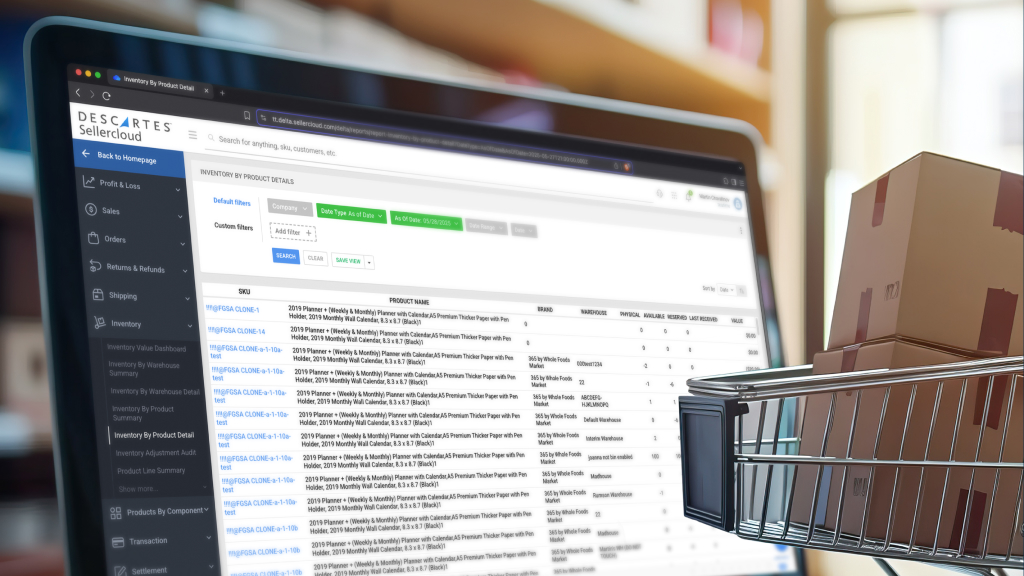
Sellercloud is an approved Walmart Seller Center solution provider. Because of this relationship, Sellercloud users can benefit from streamlined onboarding to reduce manual setup steps and cut integration friction.
Once approved by Walmart, Sellercloud’s streamlined onboarding reduces setup time inside Seller Center. There is no need to manually generate API credentials or exchange keys. SKU mapping is simplified, and required permissions for orders, items, inventory, and shipping are provisioned automatically.
Sellers can manage Walmart orders, listings, inventory, and shipping workflows directly inside the all-in-one ecommerce operations platform. This centralizes your operations and prevents overselling across channels.
Sellercloud also synchronizes inventory, order, and listing data across all your sales channels. Whether you sell on Walmart, Amazon, Shopify, or other marketplaces, you gain a single source of truth for your ecommerce operations.
If you are ready to expand to Walmart without unnecessary technical friction, book a Sellercloud demo today.
If you enjoyed this blog post on how to start selling on the Walmart marketplace, you may also benefit from reading the following:
- 3 Signs Your Ecommerce Business Will Benefit From Walmart Fulfillment Services
- 3 Key Ways to Boost Your Conversion on Walmart.com
- 11 Ways for Sellers to Improve Walmart Listings
- Expand Your Reach by Listing on Walmart Canada
How to sell on Walmart FAQs
How long does Walmart Marketplace approval take?
Approval typically takes between one and four weeks, depending on the completeness of your application and your business profile.
Is Walmart harder to get approved for than other marketplaces?
Walmart maintains selective standards focused on operational excellence and customer experience. Sellers with strong performance metrics and clean documentation have higher approval rates.
Do I need a US business to sell on Walmart?
In most cases, Walmart requires a US Tax ID and business registration to sell on Walmart.com.
Can I sell on Walmart without UPC codes?
Most categories require valid UPC or GTIN identifiers. Missing product identifiers may limit listing eligibility.
What happens after I get approved for Walmart?
After approval, you must configure listings, connect inventory systems, and meet fulfillment standards. Using an approved software partner like Sellercloud accelerates onboarding and reduces manual setup time.
Related Posts