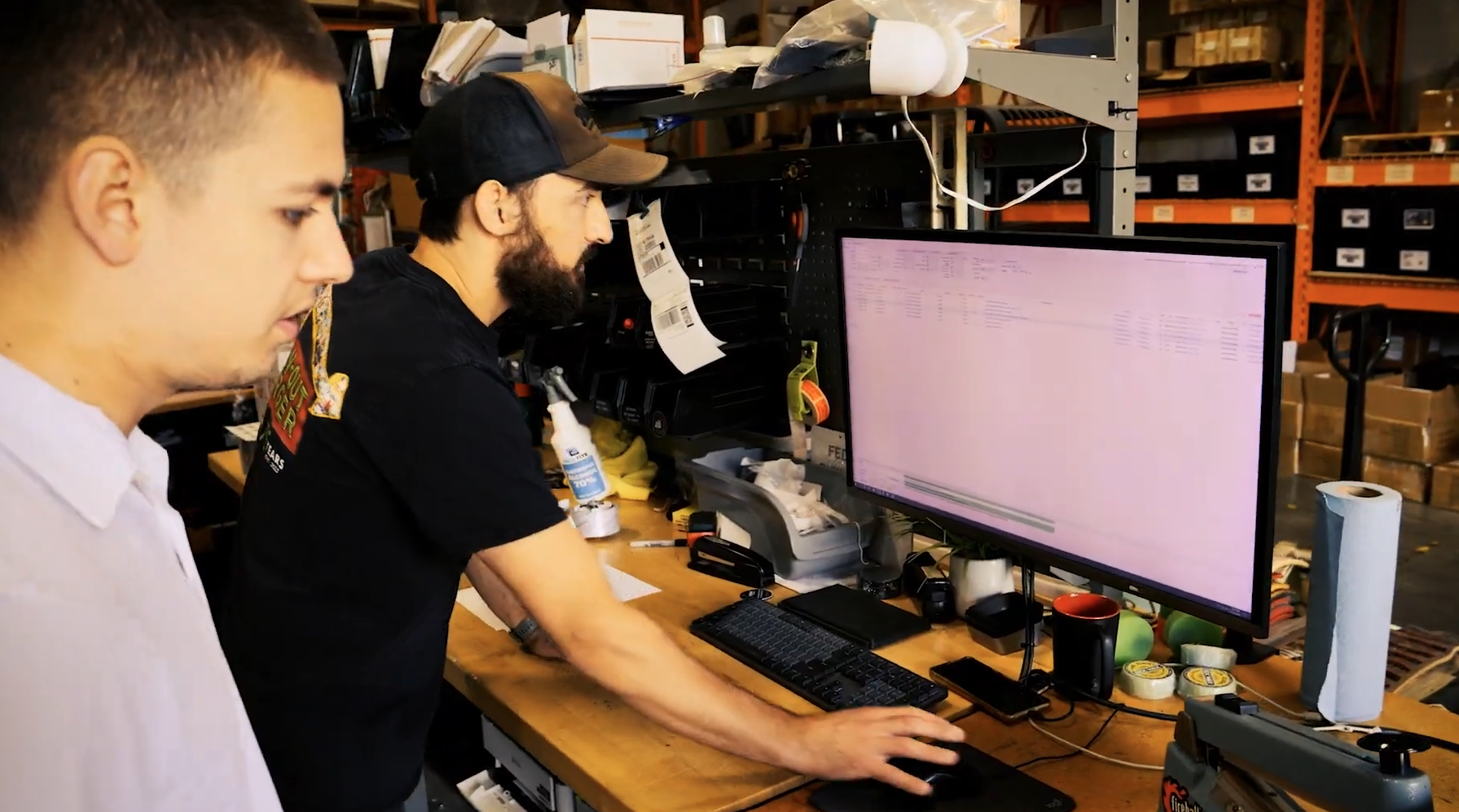
Video Testimonial
We've been doing 15% year over year since starting to use Sellercloud.
Owner of Stoked Ride Shop

Client since: 2021
Uses: Descartes Sellercloud
Industry: Sports Gear
Founded: 2007
Headquarters: Torrance, California, United States
Company size: ~11 employees
Types of items sold: Action sports equipment including skateboards, longboards, snowboards, and related parts and accessories. Stoked Ride Shop sells complete boards and decks as well as components such as trucks, wheels, bearings, hardware, protective gear, and tools for riders of all levels.
“Knowing what not to sell is often just as important as knowing what to sell, so we can capitalize where it counts and avoid wasting money in other areas. And with Sellercloud, we were able to do that right away.”
David Rajewski, Owner, Stoked Ride Shop
Before implementing Descartes Sellercloud™, Stoked Ride Shop lacked clear visibility into product costs and profitability. As the company expanded across Amazon, eBay, and its website, limitations in its existing ecommerce system became more problematic.

The previous platform was outdated and rarely updated. SKU-level reporting was unreliable, bundled product costs were difficult to track, and leadership lacked accurate data to guide purchasing and inventory decisions.
Operating in a margin-sensitive industry made this especially risky. Even small costing inaccuracies could erode profits. Without clear insight into bundled costs and SKU performance, the team risked investing in products that were not generating sustainable returns.
As Stoked Ride Shop grew its multichannel presence, managing profitability became increasingly complex. Each marketplace carried different fee structures, and bundled products required precise component-level costing to reflect true margins.
With slim margins on many products, accurate inventory costing was critical. Bundles added complexity, as each component needed proper cost roll-ups across channels. Without reliable reporting, true profitability was difficult to measure.

Limited SKU-level visibility also made it hard to quickly identify underperforming products. This led to capital being tied up in low-margin inventory and slowed merchandising decisions.
At the same time, listing products across multiple marketplaces required significant manual effort. Adding new items and maintaining consistency across channels reduced efficiency and increased the risk of errors.
Stoked Ride Shop implemented Descartes Sellercloud as its centralized ecommerce operations platform. Inventory management, bundling, purchasing, reporting, and multichannel listings now operate within a single system of record.

Explaining the decision, David Rajewski said: “The reason we picked Sellercloud is because of the good bundling. It had very robust bundling and purchasing. We really wanted to track all the costs associated with the products that we’re buying.”
With Descartes Sellercloud, SKU data, bundled components, and marketplace listings are managed in one unified environment. This eliminated manual cross-checking between systems and improved operational oversight. Reporting delivered immediate impact. Bundling and purchasing tools improved cost accuracy by properly allocating expenses to each kit and component. This reduced profit leakage.
Multichannel integration also streamlined listing workflows. As Rajewski explained: “We just put in the ASIN, it downloads the data, and then we’re able to use that data to post on all these other channels like eBay and our website.”

Implementing Descartes Sellercloud gave Stoked Ride Shop greater control over profitability and daily operations. The impact was visible in both measurable growth and improved decision-making. Revenue and profit performance strengthened following implementation. As Rajewski shared: “We’ve been doing 10 to 15% year over year since starting to use Sellercloud.”
Reporting improvements were noticeable immediately: “When we started using Sellercloud, the biggest change that we noticed right away was the reporting. You could really see every single SKU, the margins on all of them and see which products were profitable and which products weren’t.” This visibility allowed the team to eliminate underperforming products and prioritize higher-margin SKUs.
Improved transparency also strengthened accountability. When margins dipped, the team could analyze SKU-level performance, adjust purchasing decisions, and improve results. Multichannel listing became faster and more consistent.